
Food, Rationing, and Hunger
Diary of Anne FrankThis flow traces how rationing, black-market dependence, dwindling supplies, and repetitive meals shaped survival and relations inside the Annex.
increasing Bearing strength in each event
 decreasing
Bearing strength in each eventdecreasingStockpiling Supplies
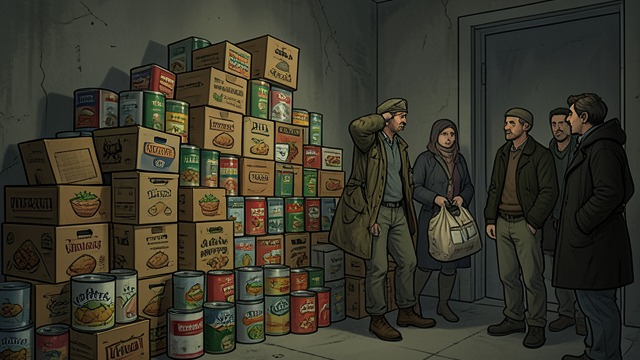
Preparing for Shortage
Food moved into hiding
The family and helpers gradually moved provisions and belongings to the office building before the planned departure. Food stores and ration arrangements were part of preparing for an uncertain period.
Survival planning
The stockpiles could not guarantee safety, but they made continued concealment possible. Food would become an everyday measure of both security and the limits of the residents’ resources.
Beans and Sausages
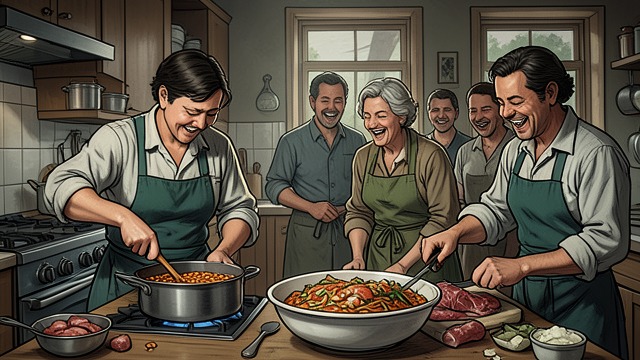
Making Stores Last
Work with preserved food
The residents handled large quantities of beans and prepared meat for storage. Their work turned surplus supplies into food that could last through future shortages.
Routine mixed with humor
The labor could be tedious and messy, yet Anne often found comic scenes in household work. Humor did not remove scarcity; it helped the residents live with it.
The Potato Economy
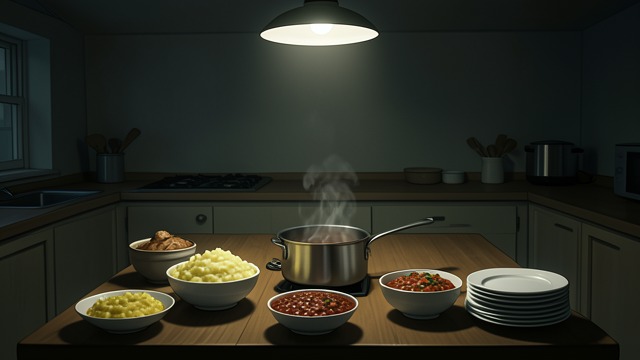
Meals Narrow
Repetitive menus
As supplies worsened, potatoes and beans appeared repeatedly at meals. Anne described the food cycles and the growing difficulty of obtaining vegetables and fats.
Scarcity tests fairness
The residents divided portions and argued over who received what. Food became more than nourishment: its distribution exposed mistrust and competing ideas of fairness.
A Lost Supplier
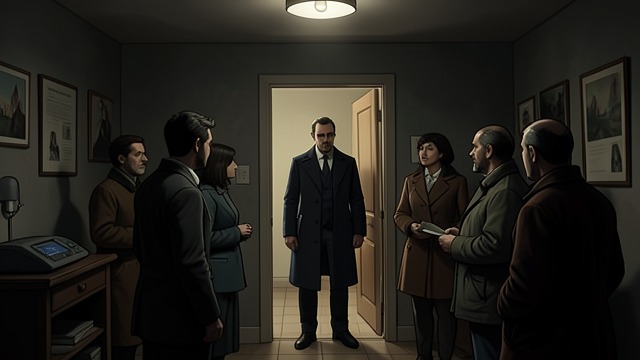
The Supply Network Falters
Arrest outside
Anne learned that a man who had supplied food to the residents had been arrested for hiding Jews. The news distressed the Annex and threatened its supply of potatoes and other essentials.
Less food, greater risk
The residents considered eating fewer potatoes rather than putting additional pressure on helpers. A private household problem had become inseparable from the danger faced by the wider underground network.
Counting the Remaining Potatoes
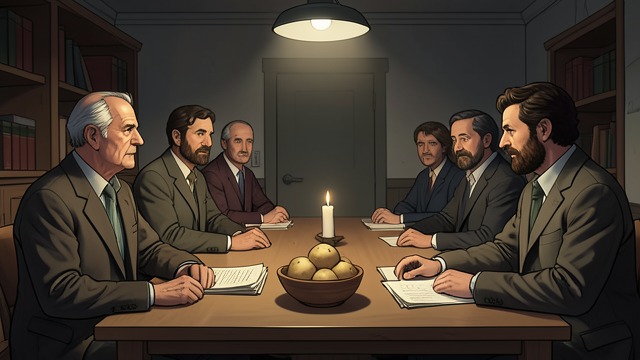
Rations Tighten Again
Divided portions
As stores ran low, the residents planned to count out potatoes for each person. The measure made scarcity visible at every meal and reduced the room for generosity or choice.
The cost of concealment
Food shortages added to the physical strain of hiding and deepened an already tense atmosphere. The residents remained dependent on the helpers who risked much to keep supplies moving.
Before July 1942
Late 1942
Early 1944
May 25–26, 1944
June 1944
